You rely on your vehicle every day, so the last thing you want is unexpected repair bills that drain your wallet. That’s where vehicle service contract coverage comes in.
But what exactly does it cover? How can it protect you from costly repairs after your factory warranty ends? Understanding this coverage can save you time, stress, and money down the road. You’ll learn everything you need to know about vehicle service contracts—how they work, what’s included, and how to choose the right plan for your needs.
Keep reading to make sure you’re fully protected on the road ahead.
What Vehicle Service Contracts Cover
Vehicle service contracts cover mechanical repairs after the original warranty ends. These contracts protect your car from costly fixes. Common parts covered include the engine, transmission, and electrical systems. Both parts and labor costs are usually included, saving you money on repairs.
Typical contracts list what is covered and what is not. Exclusions often include routine maintenance like oil changes or brake pads. Damage from accidents or misuse is also excluded. Always check the contract details to know exactly what parts and repairs are covered.
| Coverage | Includes | Excludes |
|---|---|---|
| Mechanical Repairs | Engine, Transmission, Electrical | Routine maintenance, Accident damage |
| Costs Covered | Parts and Labor | Wear and tear items, Fluids |
Vehicle Service Contract Vs Warranty
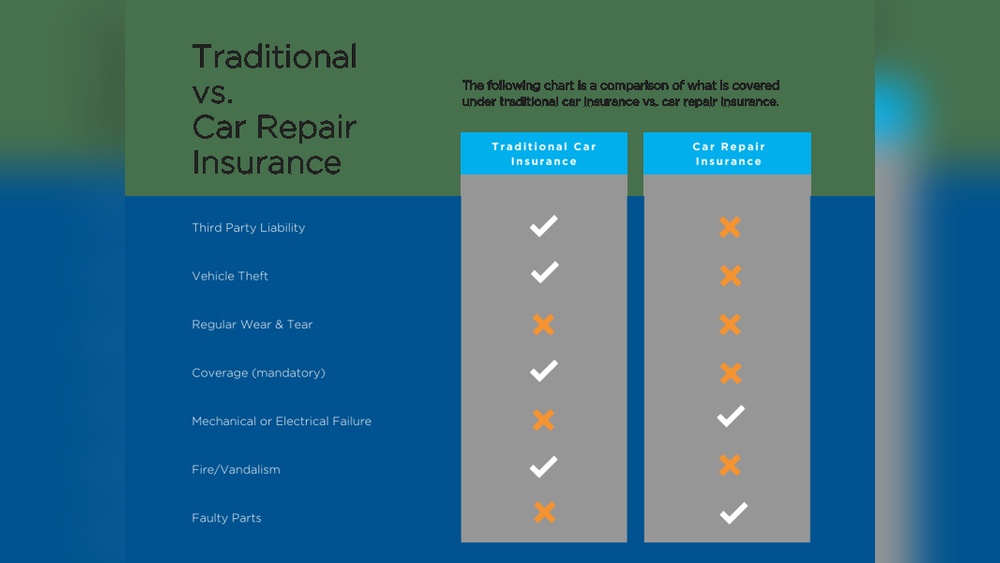
Vehicle service contracts and warranties both offer protection for your car, but they work differently. A warranty is usually included with a new car and covers repairs for a set time or mileage. It protects against defects in materials or workmanship.
Vehicle service contracts are extra agreements you can buy. They cover repairs after the warranty ends or cover parts not included in the warranty. These contracts often last longer and give more coverage options.
| Key Differences | Warranty | Service Contract |
|---|---|---|
| When It Applies | Starts with new car purchase | After warranty expires or for extra coverage |
| Coverage | Defects, manufacturer faults | Mechanical repairs, additional parts |
| Cost | Included with car price | Paid separately |
Benefits of service contracts include peace of mind and fewer unexpected repair costs. They help keep repair bills manageable and protect your budget over time.
Types Of Vehicle Service Contracts
Manufacturer plans are sold by car makers. They match the vehicle’s original warranty. These plans often cover more parts and have authorized repair shops.
Third-party plans are sold by other companies. They may offer lower prices and more flexible options. But coverage and repair shops can vary.
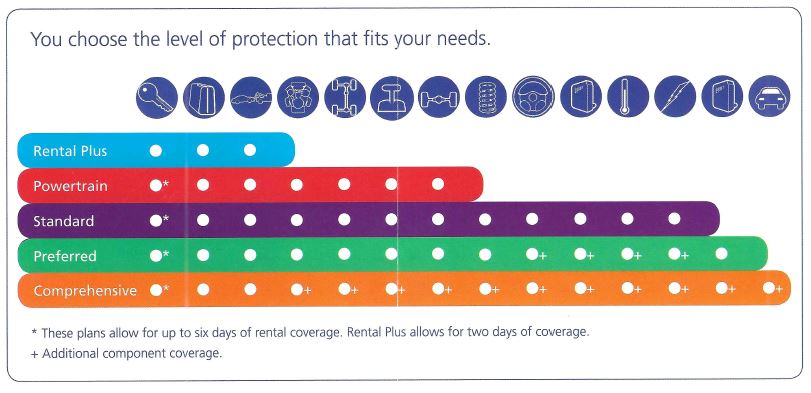
| Coverage Type | What It Covers | Key Points |
|---|---|---|
| Comprehensive | Engine, transmission, electrical, and more parts | Best for full protection; higher cost |
| Powertrain | Engine, transmission, and drivetrain only | Lower cost; covers major mechanical parts |
| Prepaid Maintenance | Oil changes, tire rotations, and inspections | Keeps routine service costs low and predictable |
Cost Factors And Pricing
The average cost of a vehicle service contract ranges from $1,000 to $3,500. This depends on the vehicle’s make, model, and age. Basic plans cover major repairs, while comprehensive plans cost more.
Higher coverage levels include more parts and services. This raises the price but offers better protection. Lower-level plans cover only essential components.
Payment options include one-time payment or monthly installments. Financing helps spread costs over time but may include interest. Choose the option that fits your budget best.
How To Choose The Right Coverage
Assess the age and condition of your vehicle carefully. Older cars may need more coverage for mechanical repairs. Newer cars might only need basic plans. Check if the car has any past issues or repairs. This helps decide the best coverage type.
Compare different providers by looking at their plan options, costs, and customer reviews. Some plans cover more parts, others are cheaper. Find a plan that fits your budget and needs. Pay attention to how claims are handled and the provider’s reputation.
Read the terms and conditions closely. Look for what is covered and what is excluded. Notice any deductibles, claim limits, and cancellation rules. Understanding the fine print avoids surprises later. Ask questions if something is unclear before you buy.
Filing Claims And Getting Service
Start your claim by contacting your service contract provider. Have your contract number and vehicle details ready. They will guide you through the next steps.
Choose an authorized repair facility to avoid extra costs. These shops work with your service contract company to fix your vehicle properly. Using unauthorized shops may cause claim denial.
Keep all repair receipts and documents. Submit them quickly to speed up claim approval. Follow the provider’s instructions carefully to avoid delays.
| Step | Action |
|---|---|
| 1 | Call your service contract company |
| 2 | Take your vehicle to an authorized repair shop |
| 3 | Get repairs done and keep all receipts |
| 4 | Submit your claim with documents |
| 5 | Wait for claim approval or denial |
Disputes and denials happen. If your claim is denied, ask for a clear reason in writing. Review your contract terms to check coverage details. You can appeal or seek help from consumer protection groups if needed.
Benefits Of Vehicle Service Contracts
Peace of mind on repairs means knowing your car’s fixes won’t surprise you. Vehicle service contracts help cover costly repairs after the factory warranty ends. This coverage lets you avoid big bills for engine or transmission problems.
Potential cost savings happen because service contracts often cost less than paying for repairs out of pocket. Regular maintenance and parts replacement can be expensive. Contracts spread these costs over time, saving money in the long run.
Improved resale value comes from having a service contract history. Buyers feel safer knowing the car was well cared for. This can make selling your vehicle easier and might increase its price.

Common Misconceptions
Vehicle service contracts are often confused with extended warranties. Unlike warranties, these contracts are optional agreements that cover repairs after the original warranty ends. They can include parts and labor for mechanical failures but usually do not cover routine maintenance like oil changes or tire rotations.
It is crucial to understand coverage limitations. Some contracts exclude certain parts or conditions, such as damage from accidents or wear and tear. Always read the fine print before signing.
Beware of scams and pitfalls. Some sellers may exaggerate what is covered or push expensive plans. Verify the company’s reputation and get details in writing. Ask questions about claim processes and cancellation policies to avoid surprises.
Frequently Asked Questions
Is It Worth Getting A Vehicle Service Contract?
A vehicle service contract can save money on costly repairs after the factory warranty ends. It offers peace of mind and coverage for mechanical failures. Consider your vehicle’s age and reliability before purchasing.
What Do Service Contracts Typically Cover?
Service contracts typically cover mechanical repairs and component replacements after the original warranty expires. They may include engine, transmission, and electrical system repairs. Some also cover roadside assistance and routine maintenance, depending on the provider. Coverage details vary by contract terms and service provider.
What Is The Difference Between A Vehicle Service Contract And A Warranty?
A warranty covers manufacturer defects for a set period. A vehicle service contract extends coverage, protecting against repairs after the warranty expires.
What Is The Average Cost Of A Vehicle Service Contract?
The average cost of a vehicle service contract ranges from $1,000 to $2,500, depending on coverage and vehicle type.
Conclusion
Vehicle service contracts help protect your car after warranty ends. They cover many costly repairs and give peace of mind. Choosing the right plan depends on your car’s age and needs. Always read the contract details carefully before buying. A good contract can save money and reduce unexpected expenses.
Keep your vehicle running smoothly with proper coverage. Consider your options and make an informed decision today.
Read More
- Best Auto Loan Rates Today: Unlock Top Deals & Save Big
- Best Car Lease Deals near Me: Unbeatable Offers You Can’t Miss
- Car Repair Insurance Comparison: Save Big with Top Coverage Options
- Compare Car Insurance Rates Online: Save Big with Top Tips Today
- Pre Approved Auto Loans Online: Fast, Easy, and Hassle-Free Deals
- Luxury Car Leasing Offers: Unbeatable Deals You Can’t Miss
- Used Car Warranty Plans: Ultimate Protection for Smart Buyers
- Used Car Financing Calculator: Simplify Your Loan Decisions Today
- Business Car Leasing Tax Benefits: Maximize Savings Today
- Electric Vehicle Lease Specials: Unbeatable Deals You Can’t Miss